
Housing Market Trends – 2021
The domestic housing market is going through an exciting period, which looks like it is starting to recover after the low point in 2020. While the world was paying attention to the coronavirus epidemic in every way, trends in the housing market also changed a lot. In the following article, we try to present the factors that affect housing market prices and what we can expect in the coming years.
This is how housing market trends will change in 2021
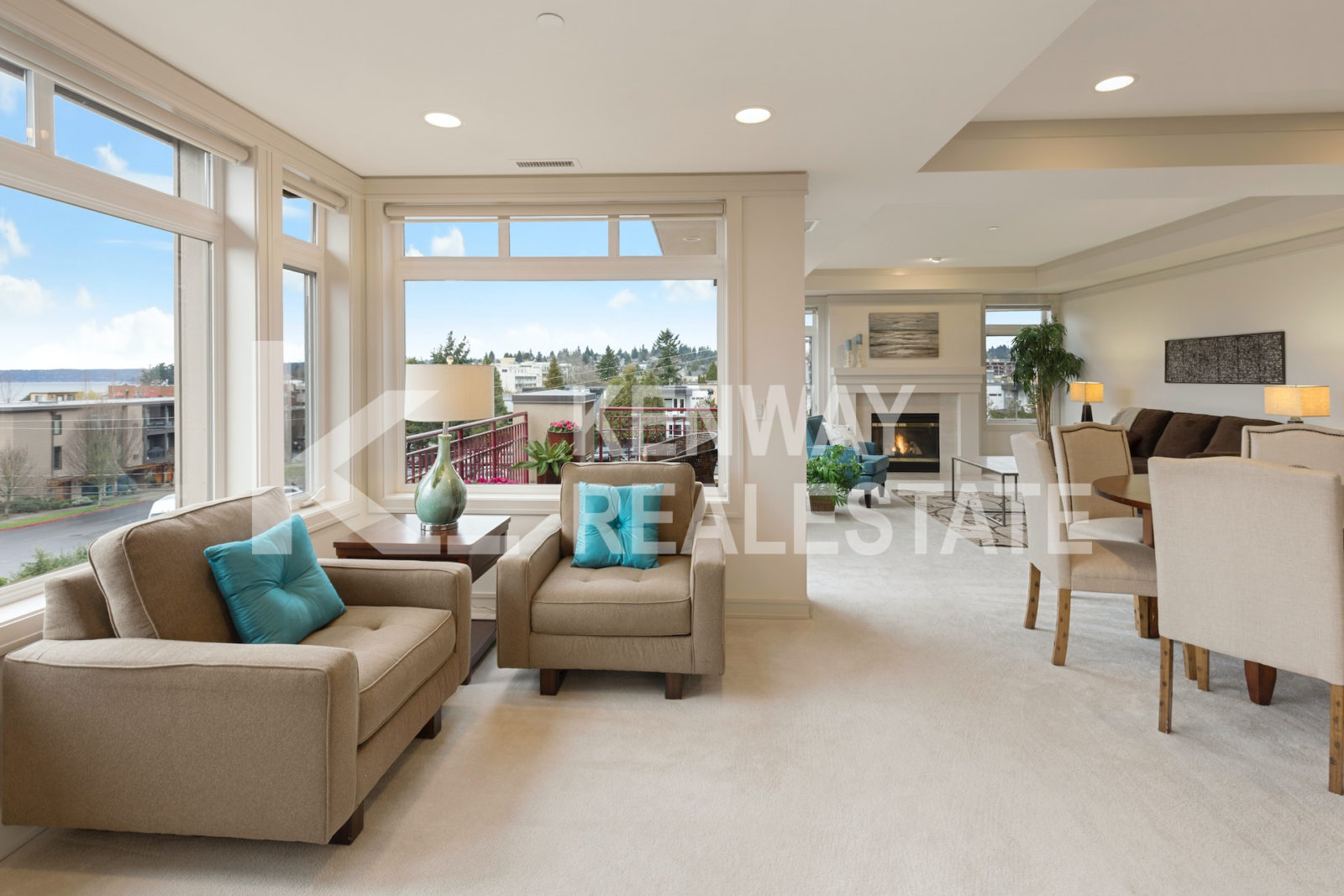
Photo by Francesca Tosolini on Unsplash
After last year’s decline, analysts expect an increase in the number of real estate sales and an upswing in new home construction this year. But how does this affect housing prices?
Experts believe that, depending on the speed of the economy’s recovery, the average change in housing prices may range from -2 to +4 percent in the near future.
According to forecasts, compared to recent years, the purchase of real estate for investment purposes will decline, rents will stagnate, but the market for high-quality new apartments and luxury apartments may even expand.
In the case of panel apartments, a price correction of 3-4 percent is expected, followed by a longer or shorter period of stagnation, while for brick-built apartments, the price band will stabilize after a 1-2 percent devaluation.
Within Budapest, the category of family houses is where the majority no longer expect further price reductions. Stagnation is expected here in 2021, and then by the end of next year, a price increase of a few percent is possible.
Overall, it can be said that the next period will not be about soaring real estate prices, so no one expects a significant decline. Is this good or bad? It basically depends on whether to sell or buy, but in any case, in relation to the price increase in recent years, this may even be good for the market by making it more predictable.
Budapest rental market
The level of rent prices has significantly decreased, according to the data of the real estate brokerage networks and the KSH rent index, and prices are not expected to rise in the near future either.
What drives the sublet market?
- Few of the foreign university students return, because education continues online in many places, so their demand falls out of the market for long-term rental properties.
- The home office has proven successful in many places, which is why many rural workers work from home rather than renting an apartment in Budapest.
- With the fall in tourism, the demand for short-term rental properties drops to almost zero, these homes appeared on the long-term market.
- And due to the tightening of short-term housing rental, it is possible that many people will not even return to this type of rental, and will remain permanently back on the supply side of the long-term market.
It can therefore be clearly seen that the next period will not be favorable to investors, but that the remaining tenants can be happy about the increased supply both in terms of quantity and quality and more predictable rents.
House construction and real estate offer
The re-introduced 5 percent VAT on new housing and family subsidies gave new impetus to housing development activity. It can be seen from them that although no significant new construction projects were started, the proportion of larger projects (50+ apartments) increased, so the number of new apartments for sale will continue to increase in the next period.
As for the price of new apartments, experts expect stagnation for a short time, but due to the continuous increase in construction materials and construction costs, this will turn into a slight (around 2%) price increase from the end of 2021.
Loan and support
The volume of loans taken out for housing purposes also started to rise significantly, so it is still below the 2019 level. If, however, you take into account that loans for people who are expecting a nacan also be used to buy a home, then the number of loans could even have increased compared to the year before the crisis.
In any case, the proportion of buyers has not changed significantly, around 50 percent of buyers still use some form of bank assistance.
However, the average loan amounts requested for individual housing purposes continued to rise: in December 2020, an average of HUF 16.2 million was requested for new construction and purchase, and HUF 11.8 million for the purchase of a used apartment, which represents an annual increase of 21 and 16 percent based on MNB data.
It was also observed in the case of other goals including renovation and home extension, where last year’s home renovation subsidy also contributed to the HUF 6.5 million increase at the end of the year.
Housing market trends may change

Photo by Med Badr Chemmaoui on Unsplash
In the longer term, a very significant question is that how far the home office practice will remain after the epidemic is over. The transition to partial or full teleworking in many companies raises structural questions not only in the office market, but also in relation to the future of the housing market.
In this regard, the suitability of the residential property for working from home is the biggest question from the employees’ side, which may be why many people change their apartment to a bigger, brighter one or one with a balcony.
Another interesting effect is that due to telecommuting, the importance of whether the apartment is in the city center or not is becoming less important, so more and more people can move to the agglomeration full of garden areas.
Of course, there is no need to fear that the popularity of cities will decrease in the short term, since most of the entertainment and cultural opportunities are located here, as well as the workplaces where working from home is not possible. Rather, it can only be seen that the customer’s needs are changing, and the supply will surely adapt to this.
More and more people in the ‘Mom Hotels’
Since it is increasingly difficult to buy your own property relative to your income and it is also expensive to rent an apartment, it is no wonder that after a few years of stagnation, the proportion of young people who live with their parents as adults has increased significantly.
Based on Eurostat data from 2018, 42.2 percent of Hungarians between the ages of 25 and 34 live in a household with their parents, which is roughly one and a half times the EU average. In contrast, in Austria, for example, this rate is significantly lower: 19 percent.
Of course, it is impossible to predict where this will lead to, but in any case it will have an impact on the housing market trends.
How much has the epidemic affected the luxury real estate market?
The demand for luxury apartments was left untouched by the pandemic, so it is understandable that more and more developers want to build in the luxury category. New projects are being launched one after the other, as the crisis-resistant demand and the temporarily reduced housing VAT stimulate investments at the same time.
According to experts, the demand for premium and luxury real estate is always higher than the current supply, which is why prices tend to rise here.
What types of properties will be in the greatest demand after the epidemic and how long will the price rise last?
The majority of analysts believe that with the end of the epidemic, more investors will appear on the market again, and the number of foreign buyers and the number of buyers with credit will also increase. No one can predict how long the rise will last, but it is certain that as long as demand does not fall and costs on the contractor side do not decrease, prices cannot be expected to decrease.
Which properties will be the most popular?
From the analysis of the data, the following housing market trends can be seen:
- the demand for properties that can be renovated for a few million forints will increase,
- towards those of inferior quality,
- for newly built apartment buildings,
- and in the agglomeration and around Lake Balaton, family houses may be more sought after.
Are you thinking about buying, renting, selling, or letting premium real estate? Reach out to our colleagues!